Going backward is not my favorite thing. I’m not a fan of walking backward, backing into a parking space (parallel parking is another mystery), or redoing a project I’ve already finished.
But there’s one exception. This Sunday, November 1, at 2 a.m., daylight saving time ends. Clocks move backward, and we get that glorious extra hour of sleep. At least, that’s the plan. Whether my puppy gets the memo is another matter. For some of us, that extra hour depends on whether household members, four-legged or otherwise, cooperate—or whether the neighbor decides to start blowing leaves early Sunday morning.
Still, I can appreciate going backward. One of my favorite fictional characters practically made a career out of it: Sherlock Holmes.
The Case for Thinking Backward
Sherlock Holmes was no ordinary problem solver. He worked backward from the evidence. Rather than accept the obvious explanation, he examined clues, questioned assumptions, eliminated possibilities, and reconstructed what happened. A muddy footprint or misplaced object could unlock a mystery if he noticed what others missed.
Holmes understood that finding the right answers requires asking the right questions. He didn’t confuse speculation with evidence or let popular opinion dictate his conclusions. He followed the facts wherever they led, even when they challenged conventional wisdom.
The Clues Are Adding Up
If Sherlock Holmes were investigating American healthcare, the evidence might lead him to a troubling conclusion: We’re solving fewer problems than we’re creating.
After years of expanding coverage, the number of uninsured Americans is climbing again. The Commonwealth Fund’s 2026 survey found that 11% of working-age adults lacked health insurance, up from 8.9% in 2024. Half reported delaying or skipping care because of cost, up from 46% in 2022. An insurance card doesn’t do much good when deductibles, copays, and premiums make care unaffordable.
Other clues point to troubling public health reversals. Childhood vaccination rates have declined, measles has returned, and social media influencers give unproven treatments and medical misinformation a much larger audience—sometimes while selling the very products they’re promoting.
When opinions replace evidence and viral posts become trusted medical advice, we’re not solving healthcare mysteries. We’re creating new ones.
Who Moved the Evidence?
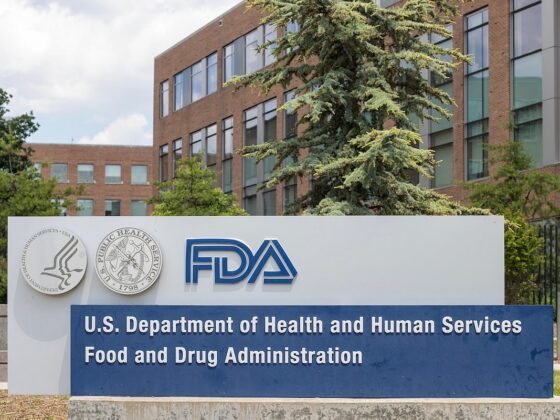
If Holmes were investigating American public health, he might start in Washington, D.C. The Trump administration’s HHS Secretary, Robert F. Kennedy Jr., has reduced childhood vaccine recommendations by a third and replaced members of the Advisory Committee on Immunization Practices (ACIP) with his own selections. A judge halted the changes, ruling that proper procedures had not been followed.
Kennedy has yet to nominate new members, leaving ACIP unable to make new vaccine recommendations—even as new vaccines are approved. This week, Kennedy also announced plans to allow access to certain unapproved peptide injections promoted by online influencers, bypassing many FDA safeguards.
Holmes would follow the evidence beyond vaccine and peptide policy. Federal research funding has been cut or eliminated, public health agencies have been forced to reduce their workforces, and scientists face uncertainty about their careers and research. Who will investigate the next public health threat, develop new treatments, and find answers to emerging healthcare challenges?
Sherlock knew that solving a mystery requires evidence—and people who know how to follow it. You can’t solve a mystery by sending away the detectives and throwing out the evidence.
The Final Deduction
Holmes never mistook going backward for making progress. Sometimes, retracing your steps, examining the evidence, and challenging assumptions are exactly what it takes to find the right way forward.
As we turn our clocks back this Sunday and prepare to vote on November 3, let’s take a page from Sherlock’s playbook. Healthcare deserves a place in our thinking and in our decisions. Put science ahead of speculation, evidence ahead of ideology, and people’s health ahead of politics.
After all, as Holmes might say, the game is afoot. And American healthcare needs to get back on the right track.
Elementary, my dear healthcare system.
Happy reading,
Suzanne Daniels, Ph.D.
- Vital Signs: Obamacare 2027 premiums increase again, “No Surprises” arbiter recertification pause requested, and new DOL PBM transparency rules released.
- Footing the Bill: Medicare drug plans premium increases, rotavirus vaccine change could increase serious illness & costs, and the impact of healthcare costs.
- A Dose of Deception: scammers target seniors, lying to get antibiotics, and access to unproven peptides.
- Fresh Finds: including my personal favorite, The New DNA Technology That Linked Ted Bundy to a 52-Year-Old Cold Case!
Vital Signs
New York Times
Obamacare Dealt Yet Another Blow as Premiums Jump Again
Healthcare Dive
Insurers, employers urge CMS to pause No Surprises arbiter recertifications
Wall Street Journal
Drug Middlemen Will Soon Have to Share Details on How They Are Paid
Footing the Bill
KFF Health News
Medicare Drug Plans Are Hiking Premiums While Trump Claims Victory on Medicine Prices
CIDRAP-University of Minnesota
Switching rotavirus vaccination to shared clinical decision may increase serious illness, costs
KFF Health News
The Cost of Healthcare Is Hitting America Where It Hurts: The Wallet
A Dose of Deception
Knowable Magazine
When scammers target seniors
Ars Technica
Over 25% of people lie to get antibiotics—and their lies aren’t even good
Associated Press
RFK Jr. eases access to unproven peptides despite opposition from FDA scientists
Fresh Finds
New York Times
This Photo Is an A.I. Fake. Can You Tell?
JSTOR Daily
The Art of the Thousand Bloom Chrysanthemum
New York Times
The New DNA Technology That Linked Ted Bundy to a 52-Year-Old Cold Case
Enjoy the weekend!
Best,
Suzanne
Suzanne Daniels, Ph.D.
AEPC President
P.O. Box 1416
Birmingham, MI 48012
Office: (248) 792-2187
Email: [email protected]

News you can trust