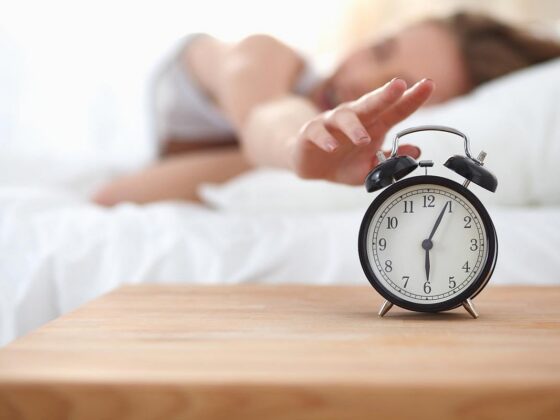
It happens sometimes. The bad news feels relentless — headlines that stop you mid-step, stories that linger long after you look away. It can feel like living inside Don McLean’s American Pie :
“February made me shiver
With every paper I’d deliver
Bad news on the doorstep
I couldn’t take one more step.”
And then, almost on cue, something breaks through the gloom.
For many of us, that something is the 2026 Winter Olympics.
Written in White
There’s something timeless about the Winter Games. I grew up watching them, mesmerized by the pageantry and the peril. The sports have evolved — more flips, more speed, more gravity-defying spectacle — but the essence remains. Snow and ice become a stage for human endurance and artistry.
The Winter Games unfold like a perfectly plotted novel: anticipation, suspense, breathtaking feats of big air skiing and snowboarding, the impossible beauty of figure skating, even the collective puzzlement over curling. Individual grit stands alongside seamless team synergy. National pride flutters against a backdrop of cold air and bright flags.
It’s storytelling at its finest — except it’s unscripted.
Chasing Gold, Chasing Dreams
Watching the Winter Olympics stirs old dreams. As a child, I imagined myself as an Olympian. Figure skating — with its glittering costumes — was never my path. But slalom racing through gates? That looked exciting. In reality, skiing down a mountain at less than breakneck speed proved far scarier than I had imagined.
Some dreams fade. Others take new shapes. Mine? A two-person bobsled run — nothing like the Olympic speed of 90 mile per hour, but still fast enough to make my heart race.
The Winter Games are magical. We watch elite athletes chase gold, personal bests, or simply the honor of competing. For some, the starting line reflects a lifetime of sacrifice; for others, redemption. Their stories resonate because they mirror our own ambitions, risks, and quiet hopes.
Expanding What’s Possible
The Winter Olympics remind us that dreams can widen the boundaries of possibility. At the 1988 Winter Games, Debra Thomas claimed bronze in figure skating, becoming the first Black athlete to medal at the Winter Olympics. In 2002, Vonetta Flowers, a sprinter turned bobsledder, became the first Black athlete to win Winter Olympic gold, alongside Jill Bakken in the two-woman bobsled. And in 2006, Shani Davis made history as the first Black athlete to win an individual gold medal, capturing the 1,000-meter speed skating title.
At the 2026 Winter Games, that progress continues, with Black, Hispanic, and Asian members of Team USA standing on the podium — including at the top.
Representation matters. When barriers fall, horizons expand. Dreams multiply when we see what’s possible.
When the Cake Melts — and Hope Remains
Of course, the Olympics mirror life in bittersweet ways. Not every story ends with a medal ceremony. Injuries happen. Expectations collapse. Sometimes, despite years of preparation, the moment slips away.
U.S. gold medalist figure skater Alysa Liu chose MacArthur Park for her free skate — the dramatic anthem written by Jimmy Webb and famously performed by Richard Harris and later by Donna Summer. The lyrics carried a particular poignancy:
“Someone left the cake out in the rain
I don’t think that I can take it
‘Cause it took so long to bake it
And I’ll never have that recipe again, oh no”
It’s a vivid reminder that some dreams melt away despite our best efforts.
But the song doesn’t end in loss:
“There will be another song for me, for I will sing it.
There will be another dream for me; someone will bring it.”
That may be the real gift of the Winter Olympics. In the midst of relentless negative headlines and long winters, they remind us that that after loss, there is hope. Joy and heartbreak can share the same ice, and even when one dream melts away, another waits quietly in the wings.
When the world feels especially heavy, sometimes all we need is a different song — and the courage to skate toward it.
Happy reading,
Suzanne Daniels, Ph.D.
- The Beat: Grail’s multi-cancer screening blood test fails in large study, new guidelines for dental X-Rays, and FDA changes course on MRNA flu vaccine review..
- Closer Look: AI & the role of doctors, users of hospital pricing data, and the impact of sleep deprivation on the brain.
- Policy-wise: FDA removes ineffective autism treatment warnings, proposed ACA rule relies on catastrophic coverage plans to lower premiums, and Executive Order protects controversial weedkiller.
- It’s Golden: including my personal favorite, The lost art that gave figure skating its name!
The Beat
New York Times
Grail’s Cancer Detection Test Fails in Major Study
HealthDay
Dental Guidelines Call For More Judicious Use Of X-Rays
Healthcare Dive
FDA reverses course on Moderna’s flu vaccine
Closer Look
New York Times
A.I. Is Making Doctors Answer a Question: What Are They Really Good For?
KFF Health News
Trump Required Hospitals To Post Their Prices for Patients. Mostly It’s the Industry Using the Data.
Wall Street Journal
What Happens Inside Your Brain When You’re Sleep Deprived
Policy-wise
ProPublica
Chlorine Dioxide, Raw Camel Milk: The FDA No Longer Warns Against These and Other Ineffective Autism Treatments
KFF Health News
Trump Team’s Planned ACA Rule Offers Its Answer to Rising Premium Costs: Catastrophic Coverage
The Guardian
Trump order seeks to protect weedkiller at center of barrage of lawsuits
It’s Golden
NPR
Two U.S. moms in their 40s rocketed to gold and bronze in Olympic bobsled showdown
Wall Street Journal
The 75-Year-Old Wizard Behind the American Who Just Won Olympic Gold
Reuters
The lost art that gave figure skating its name
Enjoy the weekend!
Best,
Suzanne
Suzanne Daniels, Ph.D.
AEPC President
P.O. Box 1416
Birmingham, MI 48012
Office: (248) 792-2187
Email: [email protected]

News you can trust